The Kording Lab at the University of Pennsylvania develops computational and conceptual tools for understanding brains and intelligent systems. We work on problems ranging from neural data analysis and causal inference to machine learning, representation, learning, and large-scale neuroscience. A recurring theme is the gap between prediction and explanation: powerful models can describe data extremely well without telling us what mechanisms generated it. We develop methods for closing that gap and for determining what can—and cannot—be learned from complex biological data.
Our research is deliberately interdisciplinary. We combine ideas from neuroscience, statistics, machine learning, engineering, and computer science, and we often pursue projects that require new experimental, computational, or organizational approaches. Current interests include understanding learning in biological and artificial neural networks, extracting mechanistic insight from large-scale neural and biomedical data, developing technologies for measuring and reconstructing nervous systems, and asking what neuroscience and AI can teach one another.
The lab is also part of a broader effort to change how science is done. Konrad helped create Neuromatch and Neuromatch Academy, which brought computational neuroscience and machine-learning education to thousands of students around the world, and has worked extensively on improving scientific methodology, reproducibility, and collaboration. More recently, he co-founded Mindspan Institute with Ed Boyden to pursue neuroscience projects at a scale and level of integration that are difficult within conventional academic structures.
Across these activities, the goal is the same: to build better ways of discovering how intelligent systems work. We value ambitious questions, quantitative rigor, methodological skepticism, open science, and collaborations that cross traditional disciplinary boundaries.
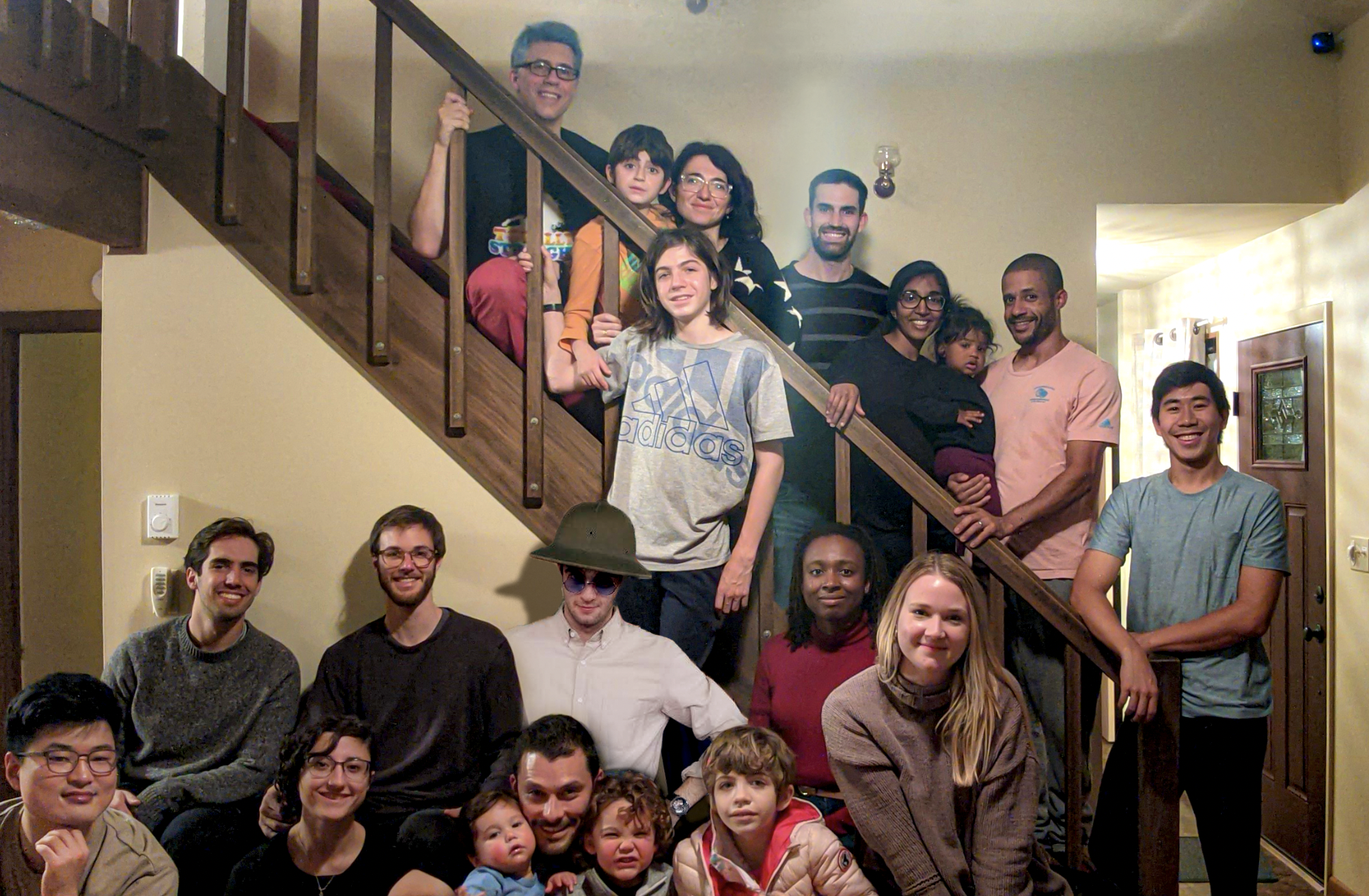
From prediction to explanation.
Learning in brains and machines.
Mechanistic insight from large-scale neural data.
Better ways of doing science.
KordingLab
KordingLab
kordinglab.bsky.social
kording@upenn.edu
Recent News
Happenings of the last few months404 Richards Building, 3700 Hamilton Walk, Philadelphia, PA 19104